What Happened to the Canary in the Coal Mine? The Story of How the Real-Life Animal Helper Became Just a Metaphor
The humble bird, which was employed until 1986, represents an important part of mining history
Kat Eschner; Updated by Sonja Anderson
Updated: March 7, 2024 | Originally Published: December 30, 2016
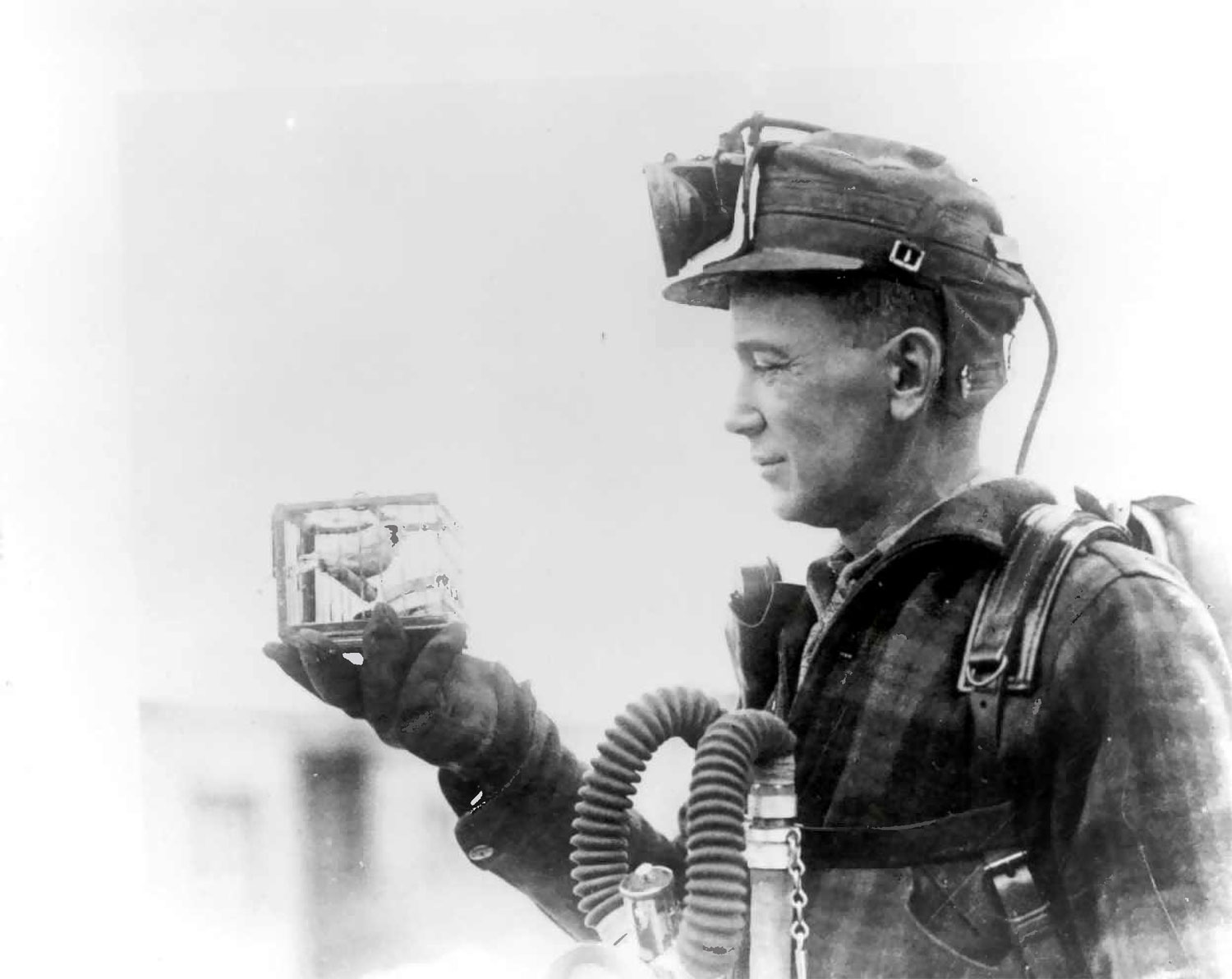
Mining foreman R. Thornburg shows a small cage with a canary used for testing carbon monoxide gas in 1928. George McCaa, U.S. Bureau of Mines
…
Throughout much of the 20th century, chirping canaries were staples of the coal mining industry. As coal miners descended into the earth—entering a harsh environment often home to poisonous gases like carbon monoxide—they would bring the yellow birds along as safety mechanisms. Because carbon monoxide is clear and odorless, miners needed a method for detecting a leak before it killed them. In the mine, a canary’s collapse let workers know there was poisonous gas in the air and gave them some warning time to evacuate.
But come 1981, the British government was planning the birds’ exodus, in favor of “
electronic noses,” gas detectors with digital readings, as the
BBC reported at the time. In December 1986, Britain officially
outlawed the usage of canaries in the coal mines.
…
Though discontinuing canaries’ avian sacrifice was a step toward more humane treatment of animals, miners’ feelings were mixed. “They are so ingrained in the culture,” the BBC reported. “Miners report whistling to the birds and coaxing them as they worked, treating them as pets.”
The canary method was originally conceived by
John Scott Haldane, “the father of oxygen therapy.” After an 1896
explosion at Tylorstown Colliery, Haldane was asked to help determine the cause of the blast. He concluded that
carbon monoxide buildup was to blame, and he proposed using
sentinel species in mines: animals more sensitive to poisonous gases than humans, which can be monitored to measure gas levels. His research on carbon monoxide led him to recommend using
birds or mice.
…

 = new reply since forum marked as read