
Wholesale prices rose 1.1% in May, more than expected, on surge in energy
Source: CNBC
Published Thu, Jun 11 2026 8:33 AM EDT Updated 2 Min Ago
Wholesale prices rose more than expected in May, indicating that pipeline inflationary pressures are percolating higher, the Bureau of Labor Statistics reported Thursday. The producer price index, a measure of final demand costs, increased a seasonally adjusted 1.1% on the month, putting the 12-month wholesale inflation rate at 6.5%. Economists surveyed by Dow Jones had been looking for a monthly move of 0.7%.
The annual headline inflation rate was the highest since November 2022. The monthly gain matched the April increase. However, excluding food and energy, so-called core PPI accelerated 0.4%, compared to the consensus view of 0.5%, indicating that rising fuel prices are causing much of the inflationary burden.
Taking out food, energy and trade services, PPI accelerated 0.8%, the biggest one-month move since March 2022. On a 12-month basis, the core excluding trade services rose 5.1%, the most since October 2022.
Most of the acceleration in the PPI — nearly 80% — came from a 2.8% surge in final demand goods prices, the biggest increase ever in a data series going back to December 2009. In turn, 80% of that increase came from a 10.7% jump in energy. Gasoline prices rose 23.4% at the wholesale level, the BLS said.
Read more: https://www.cnbc.com/2026/06/11/producer-price-index-may-2026-.html
From the source -
Link to tweet
@BLS_gov
PPI for final demand advances 1.1% in May; goods rise 2.8%, services increase 0.3% bls.gov/news.release/p... #PPI #BLSdata
12:32 PM · Jun 11, 2026
Article updated.
Previous article/headline -
Published Thu, Jun 11 2026 8:33 AM EDT Updated 3 Min Ago
Wholesale prices rose more than expected in May, indicating that pipeline inflationary pressures are percolating higher, the Bureau of Labor Statistics reported Thursday.
The producer price index, a measure of final demand costs, increased a seasonally adjusted 1.1% on the month, putting the 12-month wholesale inflation rate at 6.5%. Economists surveyed by Dow Jones had been looking for a monthly move of 0.7%.
The annual headline inflation rate was the highest since November 2022. The monthly gain matched the April increase. However, excluding food and energy, so-called core PPI accelerated 0.4%, compared to the consensus view of 0.5%, indicating that rising fuel prices are causing much of the inflationary burden.
Taking out food, energy and trade services, PPI accelerated 0.8%, the biggest one-month move since March 2022. On a 12-month basis, the core excluding trade services rose 5.1%, the most since October 2022.
Original article -
Wholesale prices rose less than expected in May, indicating that pipeline inflationary pressures are percolating higher, the Bureau of Labor Statistics reported Thursday.
The producer price index, a measure of final demand costs, increased 1.1% on the month, putting the 12-month wholesale inflation rate at 6.5%. Economists surveyed by Dow Jones had been looking for a monthly move of 0.7%.
However, excluding food and energy, so-called core PPI accelerated 0.4%, compared to the consensus view of 0.5%, indicating that rising fuel prices are causing much of the inflationary burden.
This is breaking news. Please refresh for updates.
 = new reply since forum marked as read
Highlight:
NoneDon't highlight anything
5 newestHighlight 5 most recent replies
= new reply since forum marked as read
Highlight:
NoneDon't highlight anything
5 newestHighlight 5 most recent replies

progree
(13,100 posts)I'll add more info later after I read the news summary at
https://www.bls.gov/news.release/ppi.nr0.htm
PPI data series (yes, it has food & energy included in it) :
http://data.bls.gov/timeseries/WPSFD4
Core PPI data series (without food nor energy nor trade services) :
http://data.bls.gov/timeseries/WPSFD49116
This is the "Core" that the BLS highlights, since they want an underlying trend without the volatile month-to-month components, as a better predictor of FUTURE inflation. Trade services is very volatile, for example trade services INCREASED 1.3% in April, and DECREASED 1.1% in May. From Table A in https://www.bls.gov/news.release/ppi.nr0.htm
As always, I prefer to show everything annualized so as to compare to the Fed's 2% goal and to each other.
Numbers are calculated from the actual 6-digit index values, not from grinding together heavily-rounded numbers. For the PPI, typically they update the 4 previous index values as well as adding the new one for the latest month. I update all of that too in my spreadsheet.
Regular PPI (includes food & energy & trade services)
Red line indicates the Federal Reserve's 2.0% inflation target

CORE PPI (EXcludes food & energy & trade services)
Red line indicates the Federal Reserve's 2.0% inflation target

Percent increases over the past month, over the past 3 months, and over the past 12 months, seasonally adjusted numbers, ANNUALIZED
1 mo `3 mo `12mo
----- ----- -----
13.4% 12.1% 6.4% Regular PPI (includes food & energy)
10.7% `6.5% 5.1% Core PPI (does not have food nor energy nor trade services)
2.0% 2.0% 2.0% Federal Reserve Target
backquote symbols (`) added for spacing. Please try to ignore them

peppertree
(23,517 posts)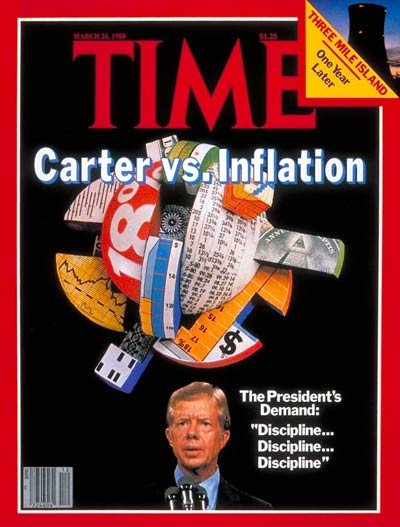
Buddyzbuddy
(2,972 posts)since he loves inflation.


Johnny2X2X
(24,509 posts)"Yes. PPI (Producer Price Index) and CPI (Consumer Price Index) usually move in the same direction, with changes in the PPI tending to precede changes in the CPI. Because businesses face increased production costs, they often pass these along to consumers, meaning CPI will eventually "catch up" to reflect those higher prices."
Not always, but usually.

SamuelTheThird
(1,384 posts)
Old Crank
(7,394 posts)it will be about 14% inflation at the wholesale level by this time next year.
How that translates into final prices???